English
 русский
 Italiano
 Türkçe
 Deutsch
 اردو
اردو
Some cities reveal themselves through monuments.
Others win you over through atmosphere.
Choosing between Alexandria and Cairo means choosing between two completely different versions of Egypt. Cairo is vast, intense, historic, and unapologetically alive—a capital where ancient pyramids, medieval streets, museums, rooftop cafés, and modern neighbourhoods compete for your attention. Alexandria moves at another rhythm. Facing the Mediterranean, it feels softer and more reflective, shaped by sea air, faded European architecture, Greco-Roman history, and long walks beside the Corniche.
Both cities belong on an Egypt itinerary, yet they rarely create the same kind of memory.
Cairo delivers the Egypt most first-time visitors have imagined for years. Alexandria reveals the country they often did not know existed.
So, if your schedule allows room for only one, which city deserves your time?
Cairo is not merely Egypt’s capital. It is a vast historical landscape in which different eras remain visible almost side by side.
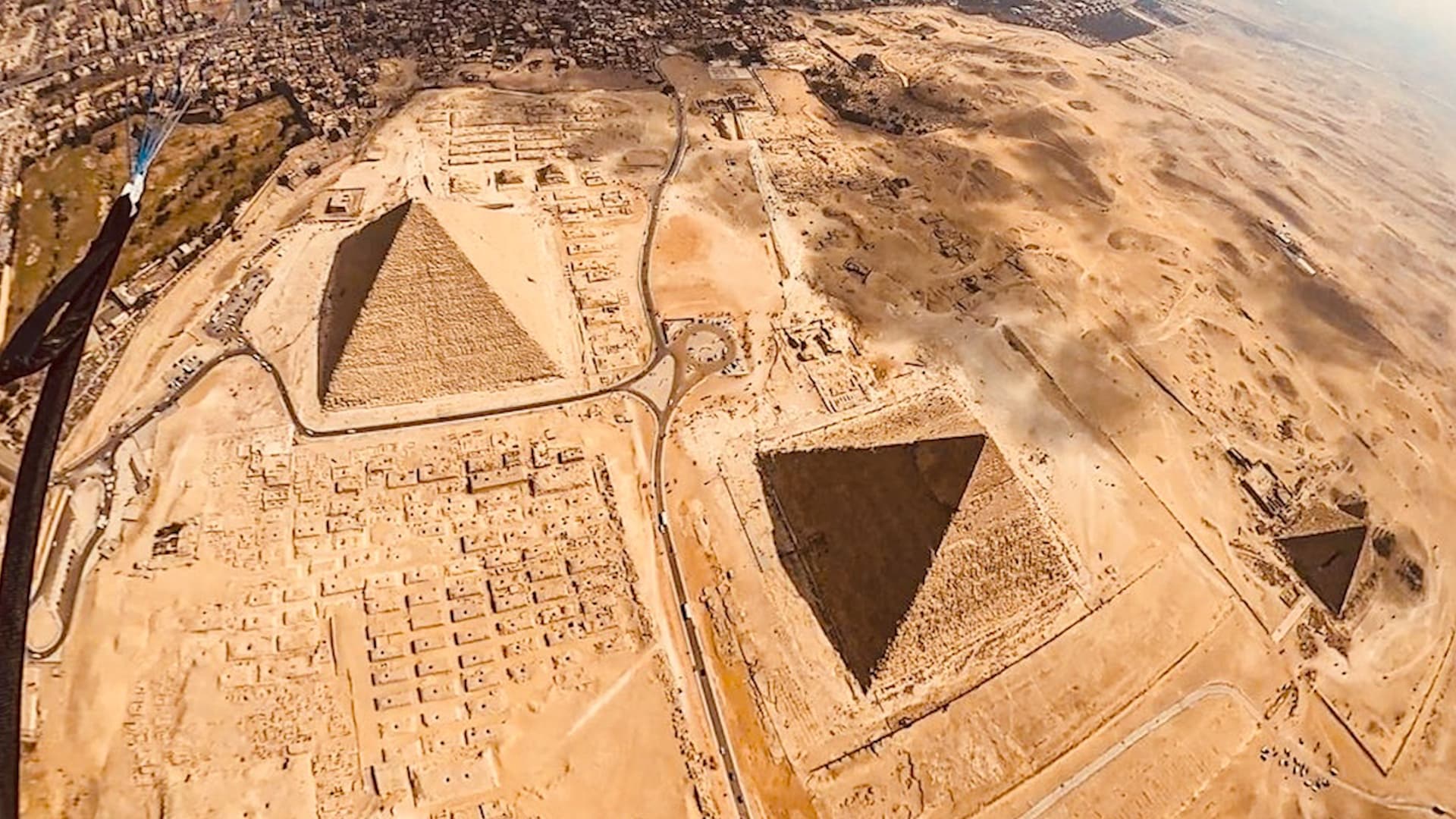
A single itinerary can take you from the Pyramids of Giza and the world of the pharaohs to the mosques, madrasas, fountains, and narrow lanes of Historic Cairo. UNESCO describes the historic quarter as one of the world’s oldest Islamic cities, while areas such as Al-Muizz Street and Khan El Khalili preserve the atmosphere of medieval Cairo within the modern metropolis.
Alexandria tells a more concentrated but layered story.
Founded in the age of Alexander the Great, it became one of the intellectual and commercial centres of the ancient Mediterranean. Much of its legendary past now lies beneath later streets or under the sea, yet the city’s identity survives through archaeological sites, museums, waterfront landmarks, and a cultural character unlike anywhere else in Egypt. UNESCO’s tentative listing highlights the importance of Alexandria’s ancient remains and its modern library as part of this continuing historical legacy.
The essential difference is immediately noticeable.
Cairo surrounds you with history. Alexandria lets you search for it.
For a first visit to Egypt, Cairo is usually the stronger choice.
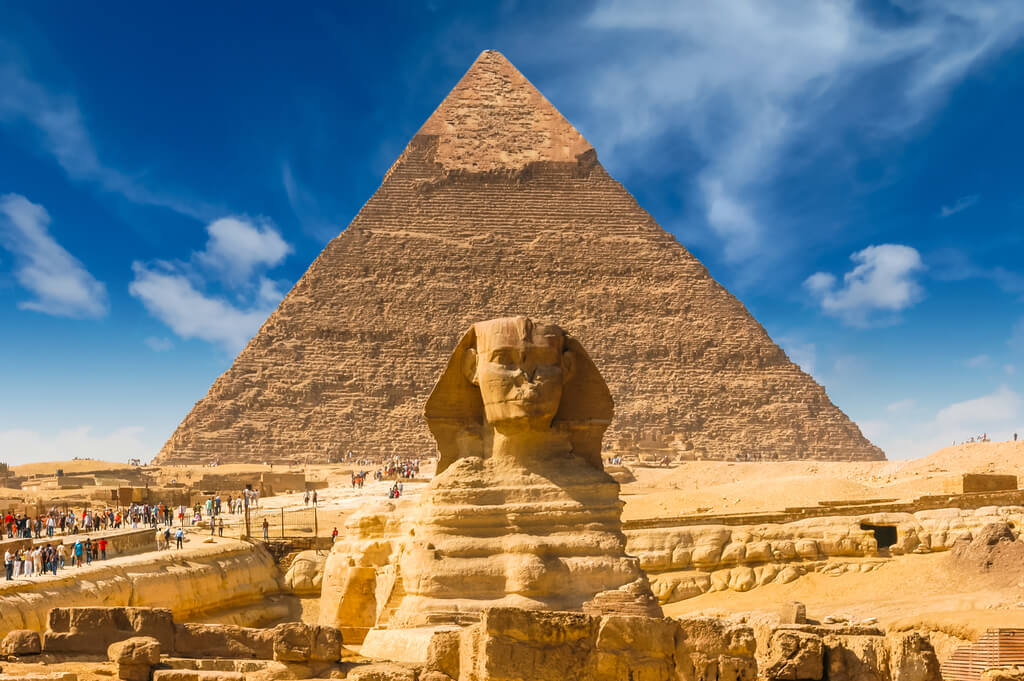
The reason is simple: some of the country’s most recognisable experiences are concentrated in and around the capital. Seeing the Pyramids of Giza and the Great Sphinx in person remains one of travel’s rare moments that genuinely feels larger than expectation. Their familiarity does not diminish their impact. It intensifies it.
Yet Cairo should never be reduced to the pyramids.
The city offers several different journeys within one destination. At the Egyptian Museum, visitors can explore a collection spanning from Egypt’s Predynastic Period through the Greco-Roman era. The museum is officially described as the oldest archaeological museum in the Middle East and home to an extraordinary collection of Pharaonic antiquities.
Coptic Cairo introduces churches, religious heritage, and quieter historic lanes, while the nearby National Museum of Egyptian Civilization presents Egyptian history across successive periods rather than focusing only on the age of the pharaohs. Islamic Cairo shifts the mood again, leading into monumental mosques, old houses, markets, minarets, and streets that feel designed for wandering.
This variety makes Cairo ideal for travellers who want a full cultural itinerary.
Morning might begin among ancient tombs and temples. Afternoon may unfold inside a museum. Evening could bring a felucca ride on the Nile, dinner overlooking the city, or an unhurried walk through a lively neighbourhood.
Cairo is demanding, certainly. Traffic is part of the experience, distances can be considerable, and the city rarely lowers its voice. But that intensity is also what makes it memorable.
As explored in Why Egypt Is One of the Last “Real” Travel Experiences Left, Egypt’s most powerful moments often come from places that have not been polished into silence. Cairo is exactly that kind of destination: imperfect, energetic, and completely impossible to confuse with anywhere else.
Alexandria offers relief from Cairo without feeling empty or disconnected from history.
The Mediterranean changes everything.
Sea light falls across ageing façades. Fishing boats move through the Eastern Harbour. Cafés face the water rather than busy avenues, and the Corniche gives the city a natural sense of direction. Even on a full sightseeing day, Alexandria feels less like a checklist and more like a place in which to pause.
Its most recognisable landmark is the Citadel of Qaitbay, standing at the edge of the Eastern Harbour near the site traditionally associated with the ancient Lighthouse of Alexandria. The fortress and its position beside the sea create one of the city’s most atmospheric views, especially when the waterfront begins to soften toward sunset.
Nearby, the Bibliotheca Alexandrina gives Alexandria’s intellectual history a modern architectural identity. Facing the historic harbour, the library is more than a symbolic successor to the ancient institution. Its cultural complex includes museums, exhibitions, research centres, and collections that reflect Alexandria’s relationship with knowledge and the Mediterranean world.
The city’s archaeology is quieter than Cairo’s but no less intriguing.
The Catacombs of Kom El Shoqafa reveal a distinctive fusion of Egyptian, Greek, and Roman artistic traditions. Pompey’s Pillar rises over the remains of the ancient Serapeum, while the Roman Amphitheatre at Kom El Dikka offers another glimpse into the city’s classical past.
Museum lovers should also consider the Alexandria National Museum, whose displays cover Egyptian history from prehistory to the modern age and include antiquities recovered from underwater excavations in Abu Qir Bay. The reopened Graeco-Roman Museum provides even deeper context for Alexandria’s Hellenistic and Roman identity.
Alexandria is therefore the better match for travellers drawn to coastal cities, literature, layered identities, seafood, old architecture, and places that reveal themselves gradually.
Our articles about the Bibliotheca Alexandrina explore this side of the city in greater depth, while the guide to Mediterranean Egypt places Alexandria within a broader northern coastline that feels worlds away from the classic Nile route.
History lovers will enjoy both, although the kind of history matters.
Choose Cairo if your priority is Ancient Egypt, monumental Islamic architecture, major museums, and world-famous landmarks. Choose Alexandria if Greco-Roman heritage, maritime archaeology, cosmopolitan history, and Mediterranean culture interest you more.
For photography, Cairo offers dramatic contrast: pyramids against the edge of a vast metropolis, minarets above historic rooftops, bustling markets, and the Nile at sunset. Alexandria favours a gentler visual language of blue water, harbour views, pale façades, weathered balconies, and coastal fortifications.
Cairo is the stronger destination for travellers who want their days packed with major attractions. Alexandria suits those who prefer a more relaxed itinerary, with cultural visits separated by coffee, seafood, and time beside the sea.
Families can enjoy either city. Cairo generally provides more famous attractions and broader entertainment options, while Alexandria can feel easier for families who dislike long transfers between multiple districts. However, neither city is completely walkable, and organised transportation saves considerable time.
The ideal stay also differs.
Cairo deserves at least two or three full days because its attractions are spread across several areas. Alexandria works beautifully as a long day trip from Cairo, although one or two nights reveal a more atmospheric side of the city after daytime visitors leave.
For most first-time visitors, Cairo wins.
Skipping the capital usually means missing the pyramids, essential museums, and several of Egypt’s most significant cultural districts. Cairo provides the foundation that makes the rest of the country easier to understand.
Alexandria becomes the better choice when you have already experienced the major Pharaonic sites, prefer the Mediterranean to the intensity of a megacity, or want to add contrast to a longer Egyptian holiday.
The most rewarding itinerary, however, does not necessarily force a choice.
Cairo and Alexandria complement each other remarkably well. After several energetic days among Cairo’s monuments, traffic, markets, and museums, Alexandria feels like opening a window toward the sea. Together, they show that Egypt cannot be defined by deserts, pyramids, or temples alone.
This contrast also connects naturally with Egypt by Mood, where the best destination depends not simply on what you want to see, but on how you want your holiday to feel.
The distance between seeing Egypt and truly enjoying it often comes down to planning.
Cairo’s scale can make apparently simple sightseeing routes surprisingly time-consuming. Alexandria is accessible from the capital, but a successful day requires sensible departure times, an efficient route, advance arrangements, and enough flexibility to experience the city without watching the clock at every stop.
At Yalla Sharm, organised travel is not about removing spontaneity. It is about removing the delays that consume it.
A thoughtfully arranged journey can connect Cairo’s pyramids, museums, and historic quarters with Alexandria’s library, citadel, archaeological sites, and Mediterranean waterfront—without turning the holiday into a puzzle of transport schedules and last-minute decisions.
Cairo gives you the Egypt you travelled to see.
Alexandria gives you another Egypt to remember.
And sometimes the best choice is not deciding which city deserves your trip, but allowing each one to tell its part of the story.
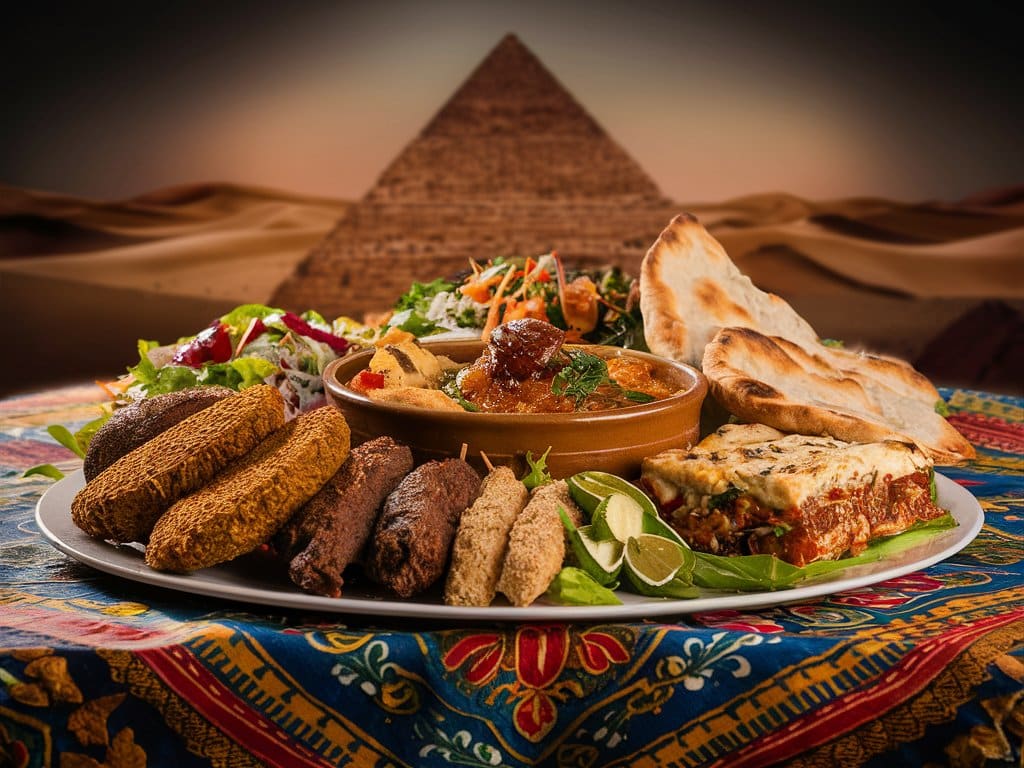
Beyond Koshari: What Egyptians Really Eat in Everyday Life 🇪🇬🍽️ Ask travelers to name an Egyptian dish and one answer appears almost immediately:...
Read MoreCairo from Sharm El Sheikh: Plane vs Bus — Which Is Better? ✈️🚌 You have decided the Pyramids are worth leaving the beach for. Now comes...
Read MoreIs a Day Trip to Cairo from Sharm El Sheikh Worth It? 🏜️➡️🏛️ You came to Sharm El Sheikh for the Red Sea. For turquoise water. Coral reefs....
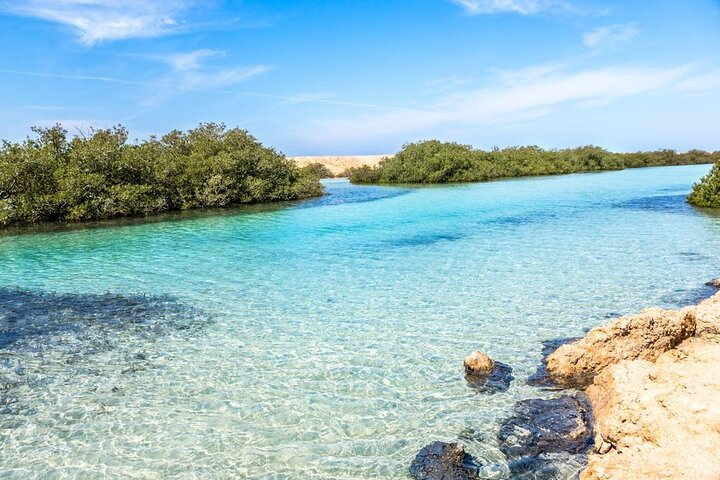
Read MoreRas Mohammed or White Island: Which Sharm El Sheikh Experience Is Better? 🌊✨ One gives you some of the Red Sea's most extraordinary underwate...
Read More24/7