English
 русский
 Italiano
 Türkçe
 Deutsch
 اردو
اردو
The modern travel industry has become strangely predictable.
Airports look the same.
Luxury hotels feel interchangeable.
Restaurants are designed for Instagram before taste.
Entire destinations now seem engineered around content creation instead of genuine experience.
You land in one country and could easily mistake it for another.
The same cafés.
The same shopping streets.
The same carefully curated “authentic experiences” designed to feel spontaneous while being completely commercialized.
And perhaps that is why travelers are becoming emotionally exhausted.
Not because they stopped loving travel…
…but because so many destinations have stopped feeling real.
Then comes Egypt.
And suddenly everything changes.
Because Egypt refuses to become emotionally flat.
It is not polished into artificial perfection.
It is not designed to feel sterile or predictable.
It is not a destination that reveals itself completely in the first twenty minutes.
Egypt still surprises people.
Still overwhelms people.
Still confuses people sometimes.
Still fascinates people constantly.
And in a world increasingly built around simulations of experience rather than experience itself, Egypt remains one of the last places that still feels alive in a completely unfiltered way.
That may sound simple.
It is not.
Many modern destinations have optimized themselves so aggressively for tourism that travelers no longer feel connected to local life at all.
They move from airport to hotel to attraction to restaurant inside a carefully controlled bubble where every experience feels internationally standardized.
Egypt does not function like that.
And that is precisely its magic.
The country still breathes with its own rhythm.
Street conversations happen loudly and passionately.
Markets still feel chaotic and vibrant.
Shopkeepers still joke with strangers.
Families still gather late into the night.
People still talk to each other instead of only looking at screens.
Even in the middle of Cairo traffic, there is an unmistakable feeling that life here is being lived fully rather than curated carefully.
For many travelers, this becomes the most memorable part of the trip—not the monuments, but the atmosphere itself.
Because Egypt does not make you feel like an observer.
It pulls you directly into the experience.
One reason Egypt stays with people emotionally is because it never feels emotionally neutral.
Some destinations are beautiful but forgettable.
Egypt is neither.
It has personality.
Strong personality.
There are moments when Egypt feels luxurious and elegant.
Moments when it feels ancient and mysterious.
Moments when it feels loud, energetic, humorous, spiritual, overwhelming, peaceful, glamorous, or deeply emotional.
Sometimes all within the same day.
And oddly enough, travelers often remember the contradictions most vividly.
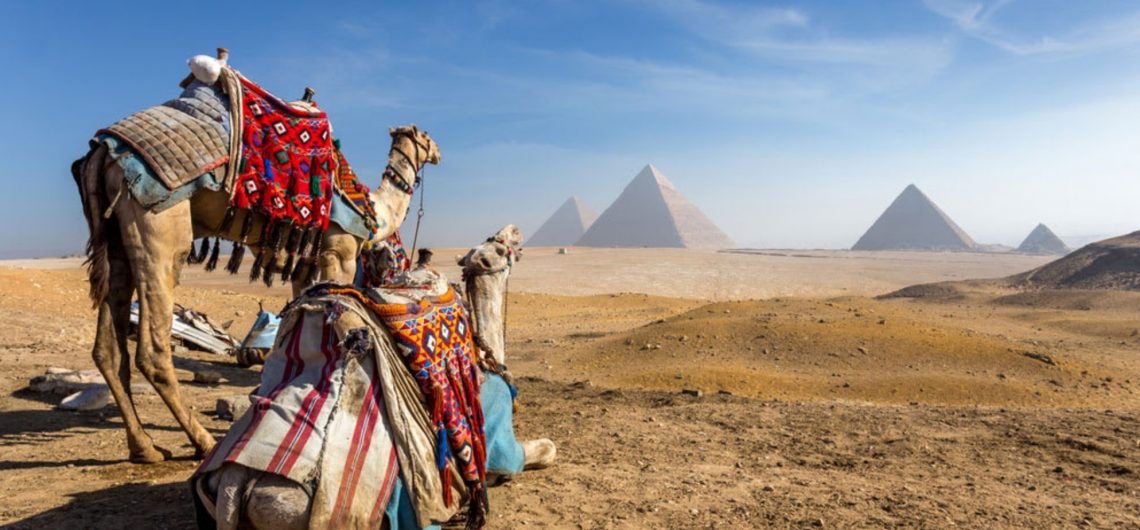
The ancient temple beside a modern city skyline.
The silence of the desert after the intensity of Cairo.
The elegance of the Nile after the movement of crowded streets.
The luxury resort only hours away from landscapes that appear untouched for centuries.
Egypt does not try to hide its contrasts.
It lives through them.
One of the biggest misconceptions travelers often have before visiting Egypt is assuming the country feels unstable because of the broader region surrounding it.
But the reality experienced by millions of tourists every year is very different.
Tourism cities such as:
Hurghada
continue operating with remarkable normality, energy, and hospitality despite the tension visible elsewhere in the world.
And this contrast becomes striking once visitors arrive.
You find:
busy cafés
families walking at night
tourists filling resorts
Nile cruises operating normally
airports functioning efficiently
nightlife continuing until morning in places like Sharm El Sheikh
Egypt has developed one of the strongest tourism infrastructures in the Middle East because tourism is not treated as secondary here.
It is part of the country’s identity itself.
For many travelers, this creates something increasingly rare globally:
The ability to feel excitement and security simultaneously.
This is another thing social media rarely explains properly.
Travelers often arrive expecting history.
What they do not expect is warmth.
Egyptians are known across the region for:
humor
generosity
emotional openness
hospitality
conversational energy
People talk.
They joke.
They help.
Sometimes too much.
And while this intensity surprises some visitors initially, many eventually realize it is part of what makes Egypt feel emotionally alive.
There is still human spontaneity here.
Still unpredictability.
Still interaction.
You are not moving through a silent tourism machine.
You are moving through a society that still enjoys people.
If Egypt already felt historically unmatched before, the opening of the Grand Egyptian Museum (GEM) has elevated the experience into something entirely different.
Located near the Pyramids of Giza, approximately two kilometers from the pyramids themselves, the GEM was designed to become the world’s largest archaeological museum dedicated to a single civilization.
And the scale is extraordinary.
The museum complex covers around 500,000 square meters, overlooking the pyramids through vast modern architectural lines designed to connect ancient Egypt with the modern world visually and emotionally.
Inside are more than 100,000 artifacts, including the complete treasures of King Tutankhamun displayed together for the first time in history.
But what truly makes the museum remarkable is not only the artifacts.
It is the experience itself.
The enormous atriums.
The monumental staircase.
The giant statue of Ramesses II welcoming visitors into the Grand Hall.
The visual alignment between the museum and the pyramids outside.
For the first time, Egypt’s ancient civilization is being presented at the scale it emotionally deserves.
And once travelers experience the GEM, they begin understanding something important:
Egypt is not “old.”
Egypt is eternal.
Then comes Luxor.
And this is where many travelers emotionally surrender to Egypt completely.
Because Luxor does not feel like a city filled with attractions.
It feels like an entire civilization still existing physically around you.
The scale of:
Karnak Temple
Valley of the Kings
Luxor Temple
Temple of Hatshepsut
creates something difficult to describe properly.
You stop thinking like a tourist.
You start thinking like a human confronting history itself.
And unlike many historical destinations globally, Luxor still feels raw enough to preserve emotional impact.
Not over-sanitized.
Not artificial.
Not disconnected from its environment.
Still real.
Just when travelers think Egypt has revealed itself fully, the country changes personality entirely.
The Red Sea feels like another world compared to Cairo or Luxor.
In Sharm El Sheikh and Hurghada, travelers find:
crystal-clear water
coral reefs
luxury resorts
diving
snorkeling
yacht excursions
nightlife
beach clubs
desert landscapes meeting the sea
And unlike many beach destinations that offer beauty but little emotional variety, Egypt’s Red Sea feels connected to the larger experience of the country itself.
In Sharm El Sheikh alone, travelers can move between:
luxury relaxation
Tiran Island Boat Trips
White Island excursions
snorkeling experiences
quad biking safaris
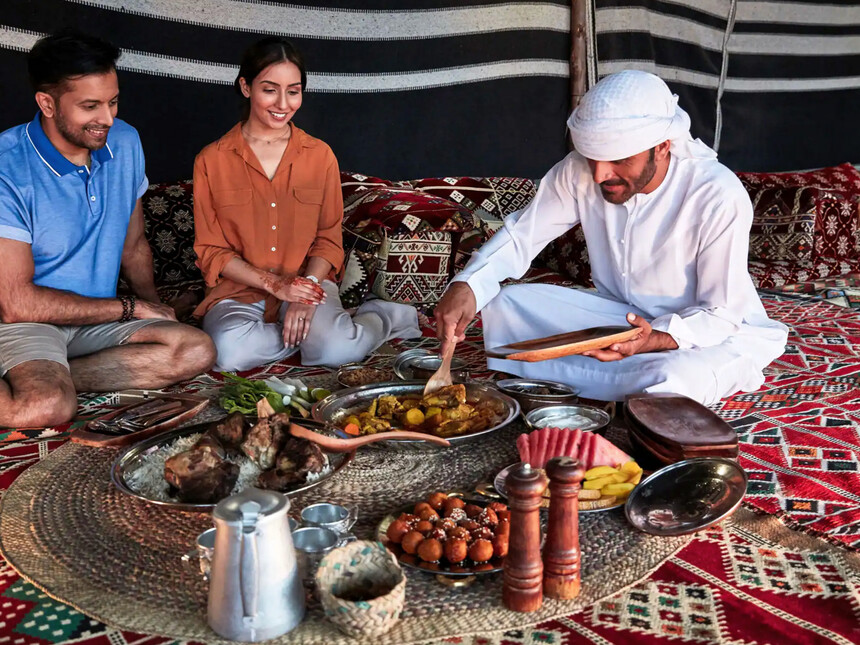
Bedouin dinners in Sinai desert
stargazing experiences
nightlife that continues until sunrise
This combination is extremely rare.
Very few destinations combine:
history
sea
desert
nightlife
spirituality
luxury
adventure
inside one connected journey.
Egypt does.
And then there is Sinai.
Perhaps one of the last places where silence still feels truly silent.
The desert around Sharm El Sheikh creates a completely different emotional experience from the beaches nearby.
Here, travelers experience:
quad biking through open desert landscapes
camel rides at sunset
Bedouin camps
mountain roads toward Dahab
stargazing under enormous night skies
the strange psychological calm only deserts can create
This is not the type of experience that photographs fully.
It must be felt directly.
And that is exactly why it matters.
Because modern travel increasingly prioritizes appearances over emotional memory.
Egypt still creates emotional memory first.
The challenge with Egypt is not finding things to see.
The challenge is understanding how to experience the country properly without reducing it into disconnected tourist moments.
This is where experienced local planning changes everything.
Because Egypt works best when:
the pacing feels balanced
the destinations connect emotionally
the transitions make sense
history and relaxation complement each other instead of competing
This is exactly why travelers working with experienced local companies such as Yalla Sharm often experience Egypt differently.
Not because they simply book excursions.
But because they understand rhythm.
With Yalla Sharm, travelers can:
✔ Combine Cairo, Luxor, Sharm, Hurghada, Petra, and Jerusalem intelligently
✔ Choose experiences based on emotion and travel style
✔ Avoid exhausting scheduling mistakes
✔ Build journeys that feel immersive instead of rushed
✔ Experience both luxury and authenticity naturally
✔ Understand Egypt beyond the surface-level tourist version
And that matters enormously in a country as layered as Egypt.
Because Egypt is not the kind of place you should experience mechanically.
It is the kind of place you should allow to unfold gradually.
That is why so many travelers leave Egypt saying the same thing:
👉 “I expected history… but I didn’t expect to feel this much.” 🇪🇬✨
Can You Travel Egypt Without a Tour? Independent vs Organized Travel 🇪🇬 Do you need a tour to travel around Egypt? The short answer is: No....
Read MoreEgyptian Hospitality: Why Visitors Are Often Treated Like Guests 🇪🇬🤍 You may come to Egypt expecting the Pyramids. The Nile. Ancient temples...
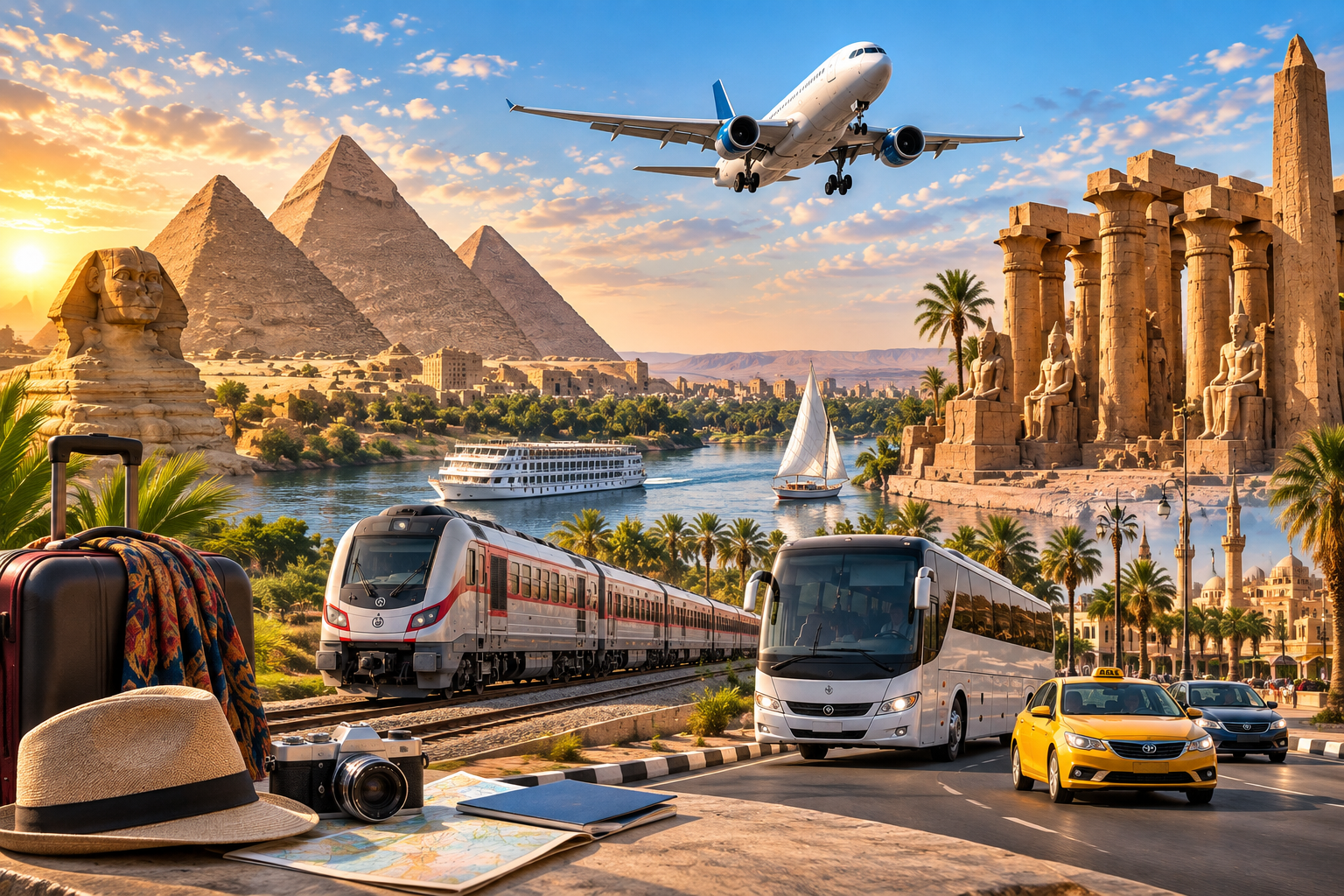
Read MoreHow to Get Around Egypt: Flights, Trains, Buses, Taxis or Private Transfers? 🚆✈️🚐 Look at Egypt on a map and planning a multi-city holiday can se...
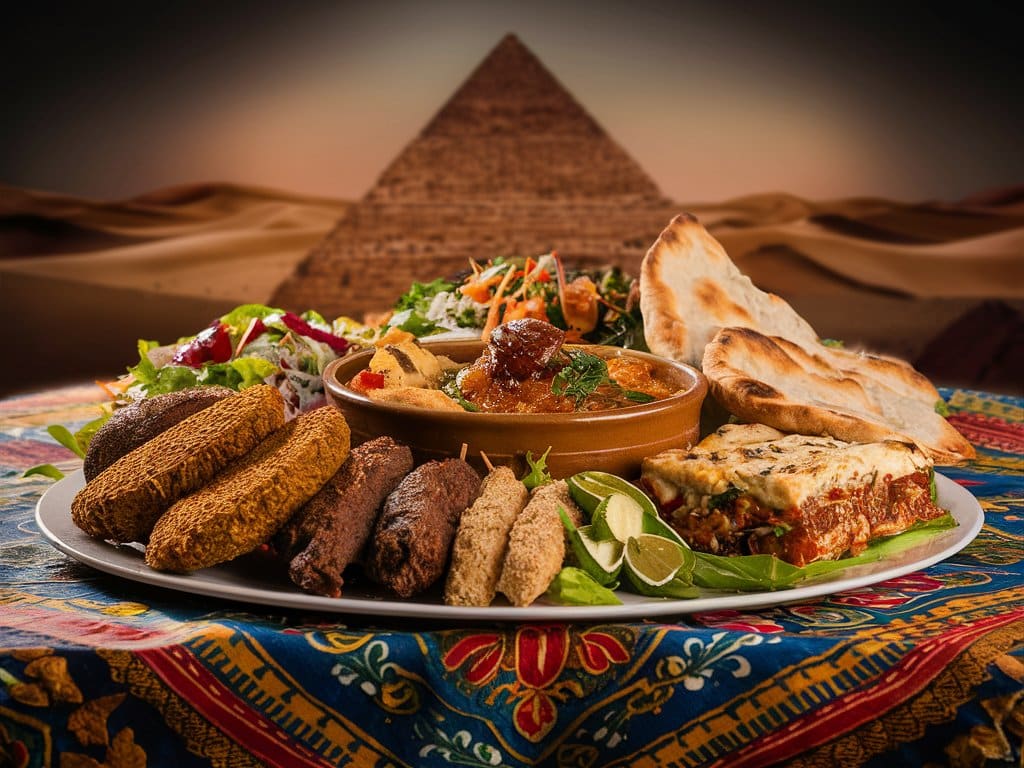
Read MoreBeyond Koshari: What Egyptians Really Eat in Everyday Life 🇪🇬🍽️ Ask travelers to name an Egyptian dish and one answer appears almost immediately:...
Read More24/7