English
 русский
 Italiano
 Türkçe
 Deutsch
 اردو
اردو
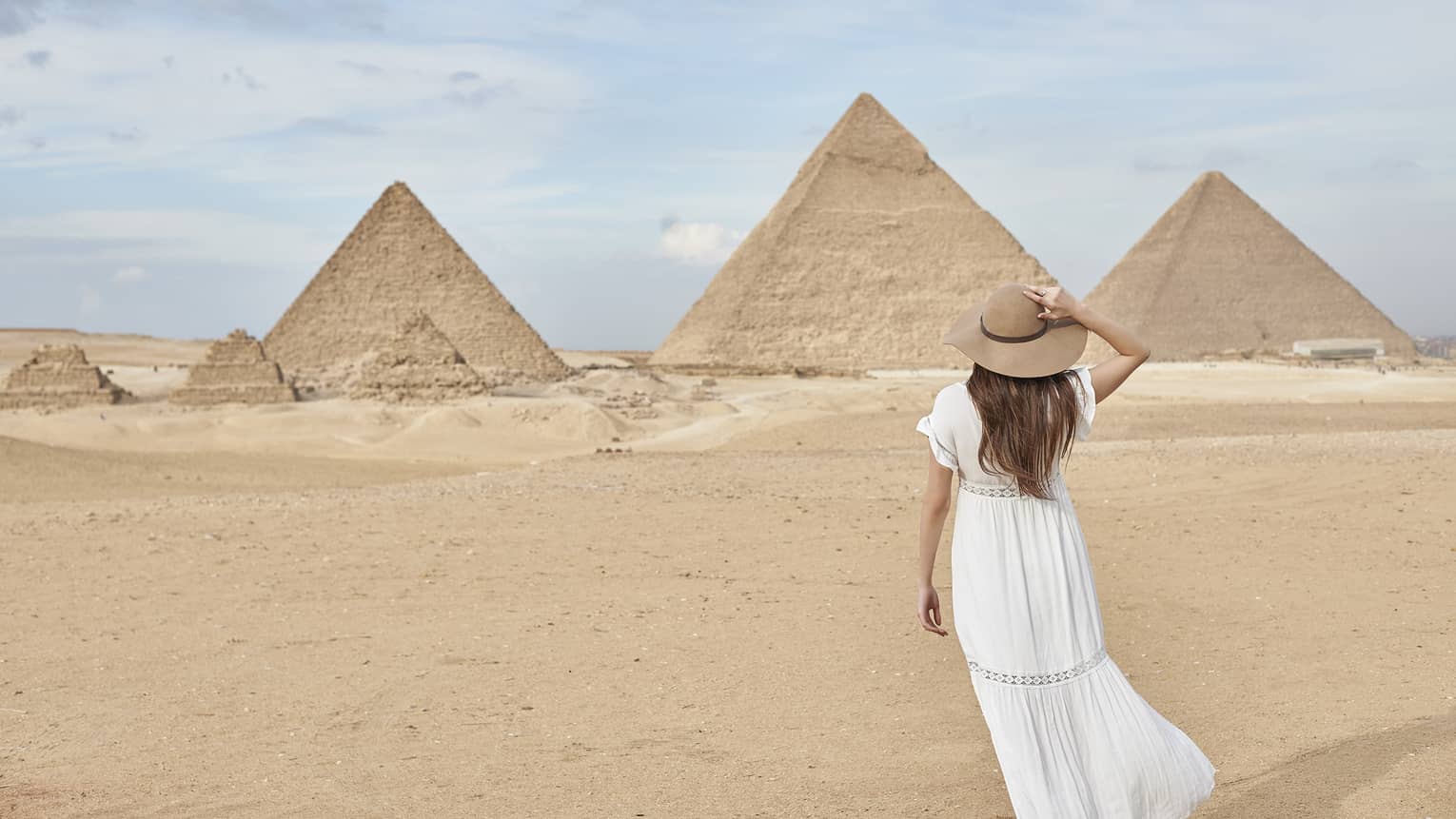
Planning a trip to Egypt is exciting. You imagine standing beneath the Great Pyramids of Giza, sailing across the Nile at sunset, snorkeling above colorful coral reefs in the Red Sea, wandering through the timeless streets of Islamic Cairo, or watching the sunrise over the mountains of Sinai.
Yet before any of those unforgettable moments happen, almost every traveler finds themselves asking the same practical question:
What should I wear in Egypt?
It sounds simple, but the answer is far more nuanced than many travel guides suggest.
Egypt is not a country with one climate, one culture, or one type of destination. The clothing that feels perfectly comfortable while relaxing at a luxury beach resort in Sharm El Sheikh may not be the best choice when visiting a historic mosque in Cairo, exploring the temples of Luxor under the summer sun, hiking through the Sinai Desert, or enjoying a quiet evening in Dahab.
Adding to the confusion, the internet is full of contradictory advice. Some articles make Egypt sound extremely conservative, while others suggest tourists can wear almost anything without giving it a second thought. The reality lies somewhere in between.
The good news is that Egypt welcomes millions of international visitors every year, coming from every continent, culture, and background. Tourism is an essential part of everyday life, and people working in tourist destinations are accustomed to seeing visitors dressed in many different styles. At the same time, understanding local customs and dressing appropriately for different environments shows respect, helps you blend in more comfortably, and often makes your experience even more enjoyable.
Rather than asking what is "allowed," experienced travelers ask a better question:
What should I wear to stay comfortable, respectful, and confident wherever my journey takes me?
This guide answers that question for every major destination in Egypt, helping you pack smarter and enjoy your trip without unnecessary stress.
One of the biggest mistakes first-time visitors make is assuming Egypt has one universal dress code.
It doesn't.
Egypt is remarkably diverse.
Within a single itinerary, you could spend the morning walking through the bustling streets of Downtown Cairo, the afternoon visiting the Grand Egyptian Museum, the next day relaxing beside the Red Sea in Sharm El Sheikh, and later exploring ancient temples in Luxor before ending your holiday around a Bedouin camp in the Sinai Desert.
Each destination has its own atmosphere.
Each activity has its own expectations.
Each season changes what feels comfortable.
Understanding this diversity is the first step toward packing successfully.
Egyptian society itself is equally diverse. Large cities tend to be more cosmopolitan, international beach resorts are naturally more relaxed because of global tourism, while religious sites and traditional neighborhoods call for slightly more modest clothing—not because tourists are required to follow local fashion, but because respectful dress enhances the experience for everyone.
Think of dressing in Egypt not as following strict rules, but as adapting to different settings in exactly the same way you would in Italy, Spain, Japan, or Greece.
You probably wouldn't wear beachwear inside a cathedral.
Nor would you hike a mountain wearing sandals designed for the hotel pool.
Egypt works the same way.
Egypt enjoys sunshine throughout most of the year, but many visitors are surprised by how much temperatures can vary depending on both the season and the destination.
For many experienced travelers, spring is one of the best times to visit Egypt.
Days are generally warm without becoming overwhelmingly hot, making it ideal for sightseeing in Cairo, Luxor, Alexandria, and Aswan.
Lightweight trousers, breathable dresses, linen shirts, cotton T-shirts, comfortable walking shoes, sunglasses, and a hat will comfortably cover almost every activity.
Evenings, particularly in desert regions and along the Mediterranean coast, may become cooler, so carrying a light jacket is always a good idea.
Summer transforms Egypt into a destination that rewards smart packing.
Cities such as Luxor and Aswan regularly experience extremely high daytime temperatures, while coastal destinations benefit from refreshing sea breezes.
Natural fabrics become essential.
Loose-fitting linen clothing, breathable cotton garments, light-colored outfits, comfortable sandals for the beach, and supportive walking shoes for archaeological sites make a noticeable difference throughout the day.
Many experienced travelers also choose long-sleeved linen shirts instead of sleeveless clothing, not because of modesty, but because they provide better protection from the powerful Egyptian sun while remaining surprisingly cool.
Autumn combines many of the advantages of spring with warmer sea temperatures, making it one of the most balanced seasons for travelers planning to combine Cairo with the Red Sea.
Packing becomes straightforward.
Light summer clothing remains appropriate during the day, while a light cardigan or jacket comfortably covers evenings, particularly in desert areas.
One of the biggest misconceptions about Egypt is that winter never becomes cool.
In reality, winter days remain pleasantly mild in most destinations, but mornings and evenings can become surprisingly chilly, especially in Cairo, Luxor, the Sinai Mountains, and desert regions.
Layering is the simplest solution.
A T-shirt, lightweight sweater, and medium jacket allow travelers to adapt comfortably throughout the day without carrying heavy winter clothing.
Beach destinations such as Sharm El Sheikh and Hurghada continue attracting visitors throughout winter, although the evenings are noticeably cooler than many people expect.
Cairo is Egypt's vibrant capital and one of the largest cities in Africa and the Middle East. It is energetic, cosmopolitan, historic, and wonderfully diverse.
There is no expectation for international visitors to dress like locals.
However, practical and modest clothing generally helps travelers feel more comfortable while exploring museums, markets, historic neighborhoods, and archaeological sites.
Comfortable walking shoes are essential, as many of Cairo's most fascinating districts are best explored on foot.
Loose trousers, maxi skirts, breathable dresses, polo shirts, linen shirts, and lightweight tops are all excellent choices for sightseeing.
If your itinerary includes visits to religious landmarks such as historic mosques, carrying a lightweight scarf or shawl is useful for women, while both men and women should avoid clothing that is excessively revealing inside places of worship.
Fortunately, these adjustments are simple, and they allow visitors to appreciate Egypt's extraordinary religious and architectural heritage with confidence and respect.
Sharm El Sheikh is, without question, Egypt's most international beach destination, welcoming millions of visitors every year from Europe, the Middle East, Asia, and beyond. Its atmosphere is shaped by world-class resorts, private beaches, luxury marinas, international restaurants, shopping areas, and a vibrant nightlife that feels very different from Egypt's historic cities.
Because of this international environment, the dress code is naturally more relaxed.
Swimwear, bikinis, one-piece swimsuits, swim shorts, cover-ups, flip-flops, summer dresses, linen shirts, and casual resort wear are all perfectly appropriate within hotels, beach clubs, swimming pools, yachts, and private beaches.
However, once you leave the resort environment to explore places such as the Old Market, SOHO Square, Naama Bay, or local cafés, dressing a little more conservatively simply helps you feel more comfortable. There is no need to dramatically change your wardrobe—light summer clothing remains perfectly acceptable—but extremely revealing beachwear is best reserved for the beach itself.
If your itinerary includes one of Yalla Sharm's most popular experiences, such as a luxury yacht trip to White Island, snorkeling inside Ras Mohammed National Park, quad biking through the Sinai Desert, or an evening Bedouin dinner, practicality becomes even more important than fashion.
Quick-drying clothing, sunglasses, sunscreen, comfortable footwear, and a light layer for the evening will usually serve you far better than heavy or restrictive outfits.
Dahab follows completely different rules—not because visitors are expected to dress more modestly, but because the town itself embraces a slower, simpler lifestyle.
Fashion here feels effortless.
The atmosphere is artistic, creative, and wonderfully relaxed.
You'll notice travelers walking barefoot along the promenade, wearing loose linen clothing, oversized shirts, flowing dresses, comfortable sandals, and casual outfits that prioritize comfort over luxury.
Dahab has never been about impressing other people.
It has always been about feeling comfortable in your own skin.
If you plan to spend the day snorkeling at the Blue Hole, exploring the Colored Canyon, relaxing at the Blue Lagoon, or enjoying a coffee beside the sea, breathable fabrics and lightweight clothing are ideal.
Evenings remain casual, and there is very little pressure to dress formally, making Dahab one of Egypt's most relaxed destinations for independent travelers.
Luxor is unlike anywhere else in Egypt.
Most days here involve several hours of walking beneath direct sunshine while exploring some of the world's greatest archaeological treasures, including Karnak Temple, the Valley of the Kings, Luxor Temple, and the Temple of Hatshepsut.
Comfort should always come first.
Lightweight trousers or long shorts, breathable shirts, walking shoes with good support, sunglasses, a wide-brimmed hat, and high-SPF sunscreen are among the most valuable items you can pack.
Many experienced travelers intentionally choose loose long sleeves rather than sleeveless tops because they provide excellent protection from the sun without making you feel warmer.
The goal is not to dress formally.
The goal is to stay comfortable while spending long hours outdoors.
Whether you are joining a quad biking safari in Sharm El Sheikh, visiting a Bedouin camp, exploring the White Desert, or hiking through Sinai's mountain landscapes, desert excursions require slightly different clothing.
Closed shoes are strongly recommended.
Loose, breathable clothing protects your skin from both sunlight and blowing sand.
A lightweight scarf becomes surprisingly useful—not only for cultural reasons, but also for protecting your face during off-road driving.
Temperatures often drop quickly after sunset, particularly during winter months, so carrying a light jacket is always worthwhile, even if the afternoon felt extremely hot.
One of the questions travelers ask most often is whether they need to change their wardrobe completely when visiting Egypt's religious landmarks.
The answer is no.
The expectation is simply respectful clothing.
For women, clothing that covers the shoulders and knees is generally appropriate, while many mosques also require a head covering before entering. Carrying a lightweight scarf in your day bag solves this easily.
For men, sleeveless tops and very short shorts are best avoided inside places of worship.
These are not unusual expectations.
They are similar to dress guidelines found in churches, temples, monasteries, and sacred sites throughout the world.
One of the biggest packing mistakes travelers make is trying to build an Instagram wardrobe instead of a travel wardrobe.
Egypt rewards movement.
You'll climb ancient staircases, walk through archaeological sites, board boats, cross deserts, wander vibrant markets, and spend hours exploring museums.
Comfortable clothing almost always leads to a better experience than fashionable clothing that restricts movement.
The most memorable photographs are rarely created by wearing the most expensive outfit.
They come from genuinely enjoying the moment.
Perhaps the best advice for anyone visiting Egypt is this:
Don't pack according to the city.
Pack according to the experiences waiting for you.
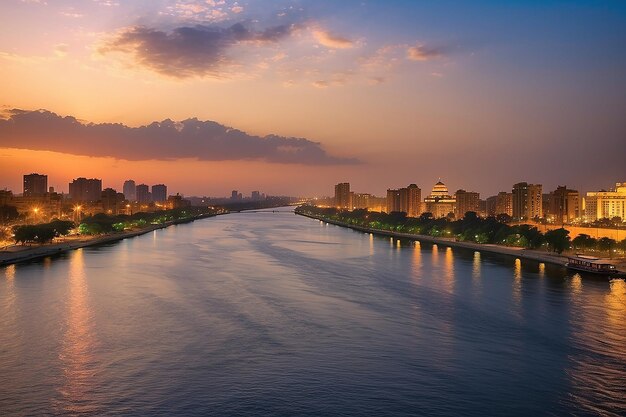
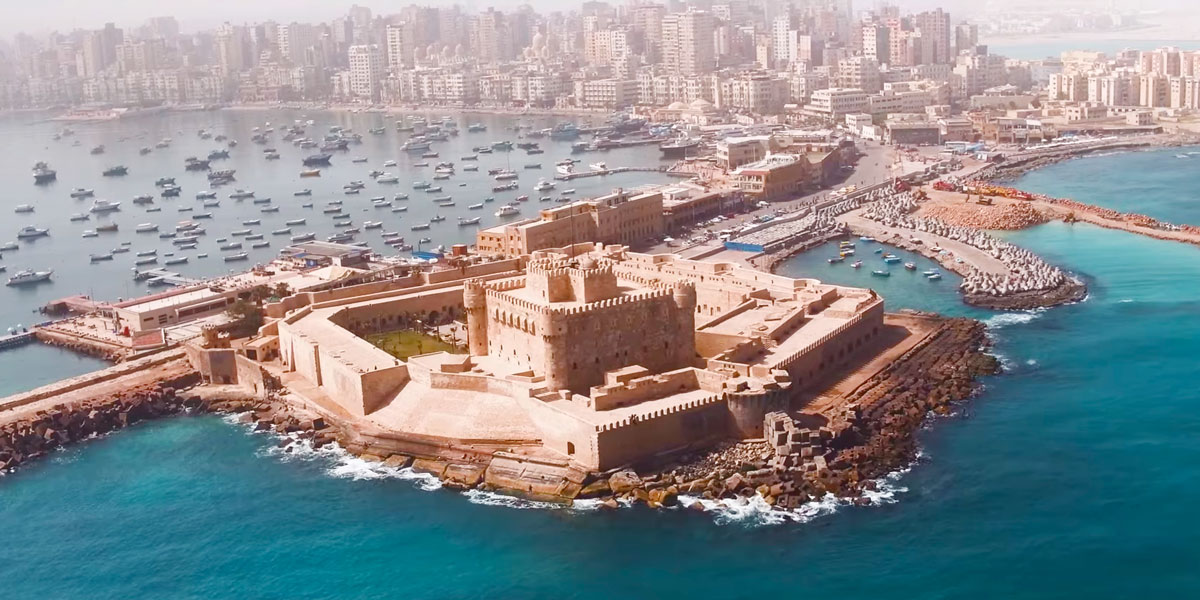
One holiday might include snorkeling in the Red Sea, riding through the Sinai Desert on a quad bike, discovering the ancient temples of Luxor, exploring the bustling streets of Cairo, relaxing beside the Mediterranean in Alexandria, and watching the sunset over the Nile—all within the same journey.
Each experience asks for something slightly different.
Packing with flexibility allows you to enjoy every destination with confidence.
At Yalla Sharm, we believe the best journeys begin long before you arrive. They begin with thoughtful planning that lets you focus less on practical concerns and more on the unforgettable moments ahead. Whether you're exploring Cairo's timeless history, diving into the crystal-clear waters of Sharm El Sheikh, discovering the artistic soul of Dahab, standing among the temples of Luxor, or enjoying the Mediterranean elegance of Alexandria, dressing appropriately for every experience helps you travel more comfortably, respectfully, and confidently.
Because the best travel memories are never defined by what you wore.
They are defined by where your journey took you—and how completely you embraced every moment along the way.
Why Every Visitor to Egypt Should Experience a Nile Sunrise 🌅 There are moments in Egypt that almost every traveler expects. Standing beneath t...
Read MoreHow Many Days Do You Really Need in Egypt? The Perfect Trip Length for Every Traveler 🇪🇬✈️ Ask ten travelers how many days you need in Egypt and yo...
Read MoreShould You Stay in One City or Travel Around Egypt? The Choice That Can Completely Change Your Trip 🇪🇬 When planning a trip to Egypt, most trave...
Read MoreAlexandria vs Cairo: Which Egyptian City Should You Visit? Some cities reveal themselves through monuments. Others win you over through atmosphe...
Read More24/7