English
 русский
 Italiano
 Türkçe
 Deutsch
 اردو
اردو

The Sinai Peninsula is a triangular landmass in Egypt that forms a physical and symbolic bridge between two continents: Africa and Asia. It is Egypt’s only territory that lies in Asia, extending eastward from the Egyptian mainland and bounded by seas and gulfs.
Because of this unique geography, the Sinai has been a crossroads of civilizations, a strategic buffer zone, and a land of both harsh desert and dazzling marine life. In modern travel and tourism, it is also synonymous with adventure: Sinai tours, Sinai desert safari, excursions in Sinai, and Sinai nature tours are increasingly popular.
In this article, we explore the Sinai Peninsula in depth: its geography (map), history, and intriguing facts — and along the way, we’ll weave in how it connects to tourism themes like Mount Sinai sunrise hike, South Sinai diving holiday, Sharm El Sheikh snorkelling, Sinai mountain trekking, and more.
The Sinai Peninsula is one of the most fascinating and multifaceted travel destinations in Egypt. Sitting at the crossroads between Africa and Asia, Sinai offers a rare blend of desert wilderness, rugged mountain landscapes, pristine Red Sea coastline, and deep religious and cultural history. For travelers seeking both adventure and contemplation, Sinai is a compelling choice.
In this ultimate guide, we dive into all that Sinai has to offer: Sinai tours, mountain trekking, diving in Sharm El Sheikh, Sinai desert safari, excursions in Sinai, and everything in between. We’ll also include practical travel tips, logistical advice, and cultural insights to make your blog content rich and helpful.

The Sinai Peninsula is a triangular landmass dividing the Mediterranean Sea to the north and the Red Sea gulfs (Gulf of Suez and Gulf of Aqaba) to the west and east.
It spans roughly 60,000 km² and is administratively divided into North Sinai and South Sinai governorates.
The northern portion is more politically sensitive, and many standard tourist routes are concentrated in South Sinai, which is considered safer and more stable for visitors.
Sinai’s landscapes alternate between dramatic mountains and high desert plateaus on one hand, and lush coral-fringed coastlines and vibrant underwater ecosystems on the other.
The region’s rich religious history — especially around Mount Sinai and St. Catherine’s Monastery — further enhances its spiritual and cultural draw.
Today, Sinai attracts travelers interested in Sinai tours, spiritual treks, marine adventures, desert safaris, and immersive encounters with Bedouin culture.

Below are the must-do experiences and iconic attractions that should feature in any high-quality blog about Sinai.
One of the strongest draws of Sinai is the Mount Sinai sunrise hike — perhaps the single image many travelers conjure when thinking of Sinai. Many Sinai tours include overnight pickup from Sharm El Sheikh or nearby resorts, a nighttime ascent to reach the summit before dawn, and witnessing the spectacular play of light over the surrounding mountains.
This trek often starts around midnight or in the early hours (e.g. 2:00 AM) from the base, ascending roughly 750 steps (or more via steeper routes) to the summit, arriving in time for the sunrise.
After sunrise, visitors typically descend and continue to St. Catherine’s Monastery — one of the oldest continuously operating Christian monasteries in the world (founded in the 6th century). It houses priceless icons, ancient manuscripts,
A combined tour from Sharm El Sheikh commonly spans 18 hours (pickup ~20:00, return ~13:30 next day)
For your blog, you can detail:
Different routes (Steps of Penitence route, camel-assisted segments, steep trails)
Recommended gear (headlamp, hiking boots, warm clothing)
Tips on acclimatization, hydration, pacing
Good vantage points at sunrise
Cultural/religious reflections (Moses, biblical tradition)
Timing and logistics (pickup, rest stops, souvenir huts along trail)
Be sure to incorporate the term Mount Sinai sunrise hike and Sinai mountain trekking multiple times in your body to reinforce relevance.
The Red Sea coast of Sinai is world-famous for its coral reefs and marine biodiversity, and Sharm El Sheikh is central to that marine tourism.
Ras Mohammed National Park (near Sharm El Sheikh) is one of Sinai’s premier nature attractions. It offers snorkeling and diving among dramatic Sinai red sea coral reef systems, underwater walls, rich fish life, and dramatic underwater topography.
Many excursions in Sinai include a boat trip from Sharm with snorkeling stops in Ras Mohammed.
Top dive/snorkel sites (e.g. Shark Reef, Yolanda Reef, Deep Reef)
What marine life visitors may see (e.g. parrotfish, clownfish, barracudas, coral gardens)
Best time of year for diving
Suggestions for beginners and advanced divers
Underwater photography tips
You should mention Sharm El Sheikh snorkelling and diving in Sharm El Sheikh often, along with Sinai red sea coral reef.

Dahab, a relaxed town on the Gulf of Aqaba in South Sinai, is beloved also by divers, snorkelers, windsurfers, and kitesurfers.
The Blue Hole near Dahab is world renowned — people come for deep dives, technical plunges, and magical coral formations.
Additionally, Dahab windsurfing Sinai is a major draw because of consistent winds, shallow beaches, and flat water spots that suit both beginners and experts.
In your blog, you can describe:
How Dahab compares to Sharm (quieter, more mellow vibe)
Recommended water sports (windsurf, kite, paddleboarding)
Safety tips for diving and windsurfing
Ideal seasons and winds/months
Local schools and instructors
Including Dahab windsurfing Sinai and excursions in Sharm El Sheikh alongside your coral and desert topics will help your blog cover broad ground.

The juxtaposition of coral seas and stark desert makes Sinai desert safari a compelling experience. Many Sinai tours combine inland adventures — quad biking, 4×4 jeep safaris, camel rides — with nighttime stargazing and Bedouin camps.
One of the most evocative experiences is a Sinai Bedouin village visit. These visits allow travelers to meet local Bedouin families, share meals (e.g. with tea, bread, lamb or goat dishes), listen to stories, enjoy music under the stars, and gain insight into a nomadic or semi-nomadic lifestyle adapted to harsh desert environments.
You can deepen the section by describing:
Typical Bedouin hospitality rituals
Cultural taboos and respectful behavior
Overnight stays in desert camps
Timing (sunset to dawn)
Combining desert safari with mountain or coral activities
Use Sinai desert safari and Sinai Bedouin village visit repeatedly.
While Mount Sinai is the anchor trek, Sinai offers many other scenic Sinai nature tours and mountain trekking routes:
Mount Catherine (Jebel Catherine) — the highest peak in Egypt (around 2,629 m). Many hikers opt for this longer, more rigorous trek.
Coloured Canyon, near Nuweiba — a narrow gorge with colorful rock walls, often visited on day trips or combined canyon hikes.
Sinai Highlands Trail — longer multi-day hiking routes across Sinai’s interior hills and valleys.
Day treks from Bedouin camps into adjacent wadis and viewpoints.
When writing this section, you can:
Outline trekking difficulty levels, durations
Include route maps or sketches
Provide safety notes (sun, altitude, guide necessity)
Suggest combining with other tours (desert, coral)
Add Sinai nature tours and Sinai mountain trekking in context.

Many travelers use Sharm El Sheikh as a base and take day trips or multi-day Sharm El Sheikh tours:
Excursion Cairo from Sharm El Sheikh: These tours often include early flight from Sharm to Cairo or overnight trips to see the Pyramids, Egyptian Museum, Sphinx, and return.
Local excursions in Sharm El Sheikh: Day trips to Ras Mohammed, boat snorkeling cruises, Glass-bottom boat rides, night markets, SOHO Square, etc.
By dedicating a section to “From Sharm: Excursions & Extensions,” your readers will see how flexible Sinai travel is. Use excursions in Sharm El Sheikh and Sharm El Sheikh tours liberally.

To help readers visualize, here are sample itineraries:
Day 1: Arrival in Sharm El Sheikh, relax, snorkel in early afternoon
Day 2: Ras Mohammed National Park snorkeling & coral reef day trip
Day 3: Mount Sinai sunrise hike + St. Catherine’s Monastery
Day 4: Dahab excursion, Blue Hole dive, windsurfing, return to Sharm
Days 1–2: Stay in Sharm, dive & snorkel, Ras Mohammed
Day 3: Jeep desert safari, Bedouin camp overnight
Day 4: Mount Sinai sunrise hike + monastery
Day 5: Trek Mount Catherine
Day 6: Dahab windsurfing and diving
Day 7: Cairo extension (fly) or more Sharm leisure
Option 1 (2 days): Mount Sinai sunrise hike + monastery + coral reef snorkel
Option 2 (3 days): Day 1: coral reef; Day 2: Sinai desert safari / Bedouin stay; Day 3: morning trip to Dahab or beach
In each itinerary, emphasize that travelers can mix South Sinai diving holiday, Sinai tours, Sinai desert safari, and Sinai nature tours based on preferences.

October to April is generally the best period: milder temperatures for trekking and desert safaris; water is still warm for diving.
Summer (May to September) can be very hot in desert and mountain areas, but marine activities remain strong.
The northern Sinai region is often under travel advisories, so stick to South Sinai for tourism.
Travel by air to Sharm El Sheikh is considered safer than land routes in some parts.
Always go with experienced guides, especially for mountaineering or desert routes.
Carry essentials: water, snacks, headlamp, warm clothes, sunscreen, first aid, sturdy shoes.
Respect local customs: in Bedouin camps and villages, modest dress and polite etiquette matter.
Local agencies such as Yalla Sharm travel agency (or similar local names) often offer customized Sinai tours packages.
Always request items like vehicle quality, number of participants, guide credentials, group size, included meals, pickup times, and cancellation policies.
Booking in advance can secure better prices, but many tours can be booked once on ground in Sharm or Dahab.
In Sharm El Sheikh, resorts, hotels, and guesthouses abound — many are dive-friendly.
In desert or mountain zones, overnight Bedouin camps offer basic but memorable lodging.
Transportation: tours typically provide pickups from hotels; some hire 4×4 vehicles, minibuses, or coaches depending on group.
Avoid touching or damaging coral reefs. Use reef-safe sunscreen.
Dispose of waste properly; many areas are fragile.
In Bedouin villages, ask permission before photographing people.
Some religious sites (e.g. St. Catherine’s Monastery) require modest dress and respectful behavior.

When you first arrive in Sharm El Sheikh, the soft light across the Red Sea and the hum of diver boats invite you into a world of underwater wonder. Many visitors start their journey with a South Sinai diving holiday, exploring hidden coral walls, caverns, and fish-rich reefs. The phrase Sharm El Sheikh snorkelling becomes second nature in conversation as guests dive at sites like Ras Mohammed and Shark’s Bay.
But Sinai is not just about the sea. As evening falls, your tour picks you up and transports you across the desert toward Mount Sinai. Through darkness and quiet dunes, you ascend — lamp in hand — through steep paths and desert silence, climbing toward a 5:00 am goal. The Mount Sinai sunrise hike rewards you with a moment so surreal it lingers: light pouring over craggy peaks, valleys cast in shadow, and a silence broken only by your breath and the shifting colors.
After descending, you visit St. Catherine’s Monastery, absorbing centuries of prayer, artistry, and pilgrimage. The monastery’s mosaics, relics, and the fabled Burning Bush chamber echo with sacred stories. Later, you might travel to Dahab, drifting down to the Blue Hole, or harness wind on a Dahab windsurfing Sinai outing. Or perhaps your path leads inland for a Sinai desert safari, meeting Sinai Bedouin village visit hosts, tasting traditional tea, and hearing desert legends by firelight.
Along the Eastern slopes, you might trek Sinai mountain trails, approach Mount Catherine or meander through the Coloured Canyon. Then return to Sharm for a sunset snorkel, reflections, and plans for an excursion Cairo from Sharm El Sheikh to see the pyramids and ancient artifacts.

Diverse experiences: Sinai uniquely offers sea, sand, mountains, spirituality, culture, and adventure in one region.
Depth of heritage: The biblical resonance of Mount Sinai and St. Catherine adds meaning beyond sightseeing.
Marine treasures: Some of the best coral reefs and marine life in the world are tucked along Sinai’s Red Sea coast.
Cultural immersion: Bedouin hospitality and desert life enrich any trip beyond beaches.
Customization: Whether a traveler wants a South Sinai diving holiday, Sinai desert safari, or spiritual trek, Sinai tours can be tailored to match.
By weaving together Sinai tours, Mount Sinai sunrise hike, Sharm El Sheikh snorkelling, Sinai red sea coral reef, Sinai desert safari, Sinai mountain trekking, Dahab windsurfing Sinai, excursions in Sharm El Sheikh, Sinai Bedouin village visit, and excursion Cairo from Sharm El Sheikh, your blog can present Sinai as a full-spectrum destination.

The Sinai Peninsula has been touched by many civilizations, empires, and religious traditions over millennia.
Archaeological evidence indicates human presence in Sinai going back to prehistoric times.
Its location as a bridge between Egypt and the Levant made Sinai a corridor for trade, migration, and military campaigns.
In ancient times, the peninsula was known for its turquoise and copper mines, sometimes called the “Land of Turquoise.”
Egypt’s pharaohs often maintained control of Sinai to protect trade routes and mining.
Sinai holds a place in Judaic, Christian, and Islamic traditions.
Mount Sinai (Jebel Musa) is traditionally considered the spot where Moses received the Ten Commandments.
The St. Catherine’s Monastery, built in the 6th century under Byzantine rule, is one of the oldest continuously operating Christian monasteries in the world, housing ancient manuscripts and relics.
Pilgrim routes often passed through Sinai; the fortress at An-Nekhel was a stage on pilgrimage routes historically.
Because of these associations, many Sinai tours and Mount Sinai sunrise hike itineraries include religious and cultural stops.
After the rise of Islam in the 7th century, Sinai was incorporated into various Islamic polities.
During the Mamluk and Ottoman periods, the peninsula maintained strategic importance.
Fortresses and caravan routes survived across the desert interior, including the at-center An-Nekhel fortress which served pilgrims to Mecca.

During the 19th and early 20th centuries, Sinai was under Ottoman suzerainty, then part of modern Egypt.
In 1956, the Suez Crisis led to the first Israeli occupation of parts of Sinai (Oct 1956 – March 1957).
In 1967, the Six-Day War resulted in full Israeli occupation of Sinai.
In 1973 (the October/Yom Kippur War), Egypt and Israel clashed again; territories were exchanged, and the Suez Canal reopened.
In 1979, the Egypt–Israel Peace Treaty stipulated Israel’s withdrawal from Sinai. By 1982, Israel fully withdrew to Egyptian control (except Taba, returned later in 1989).
In recent decades, Sinai, especially North Sinai, has faced security challenges and insurgency. Operation Martyr’s Right (2015–2023) was a major counterterrorism effort by Egypt in the region.
The Sinai Peninsula is often imagined as a remote desert outpost — but it is far more than that. It is a land of contrasts, a hinge between continents, and a tapestry woven from sea, mountain, desert, and human memory. From the sparkling Sinai Red Sea coral reef systems lapped by Sharm El Sheikh snorkelling tours, to the silent high ridges scaled on a Mount Sinai sunrise hike, the peninsula invites you to traverse extremes.
Begin your journey on the coast — book a South Sinai diving holiday in Sharm or Dahab, glide above coral gardens, feel the weightless calm of underwater corridors. Then pivot inward: roll across dunes on a Sinai desert safari, feel sand shift under your tires, and camp among the stars with Bedouin hosts. As dawn nears, gather your strength and embark on a Sinai mountain trekking route to one of the summits — at the top, see light spill across ridges and say you’ve witnessed Sinai awaken.
In between, visit ancient monasteries, wander colored canyons, meet nomadic families, and choose to extend beyond into Cairo via an excursion Cairo from Sharm El Sheikh — so that the slate of your travel comprises coastal serenity, spiritual ascent, desert mystery, and urban legacy.
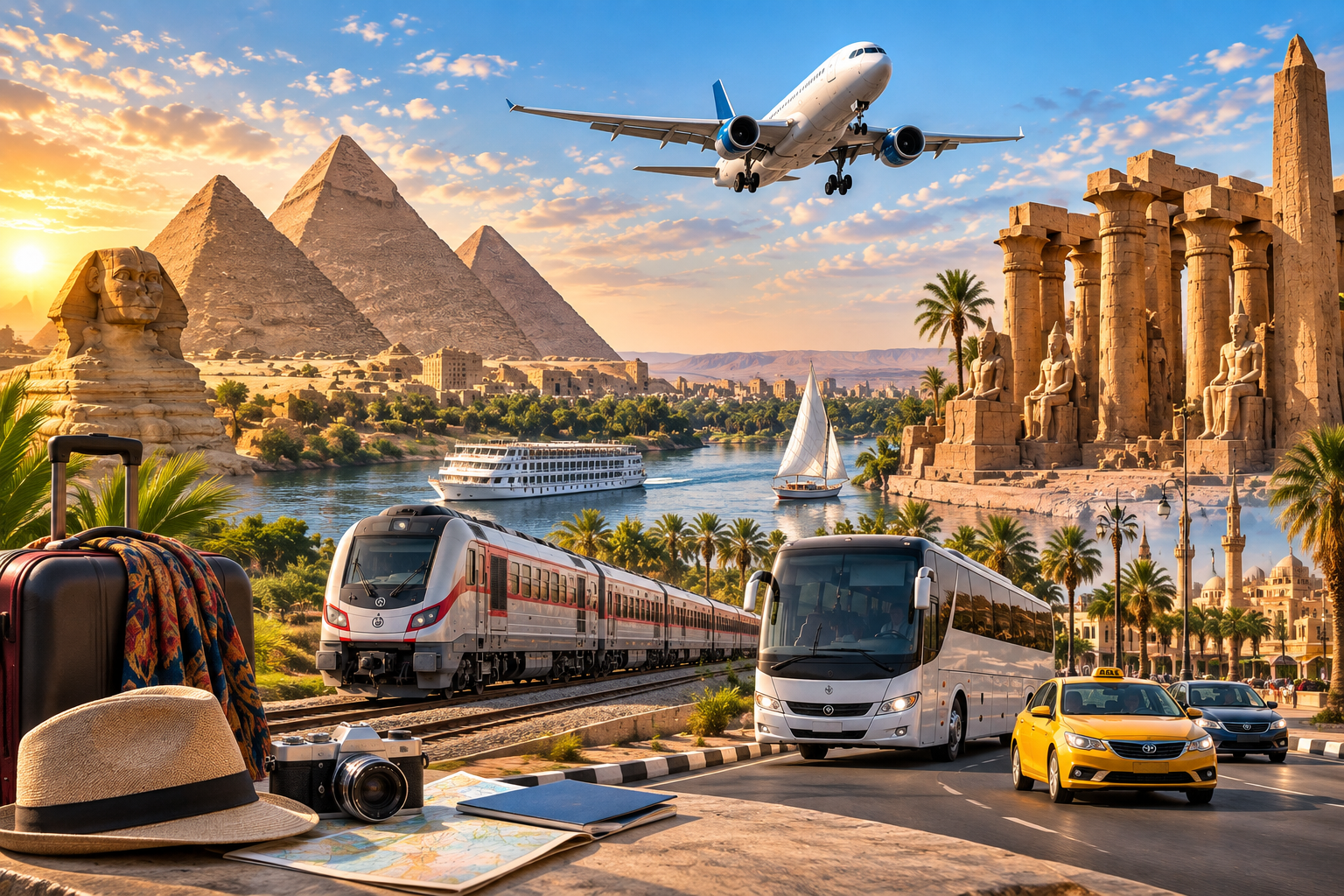
How to Get Around Egypt: Flights, Trains, Buses, Taxis or Private Transfers? 🚆✈️🚐 Look at Egypt on a map and planning a multi-city holiday can se...
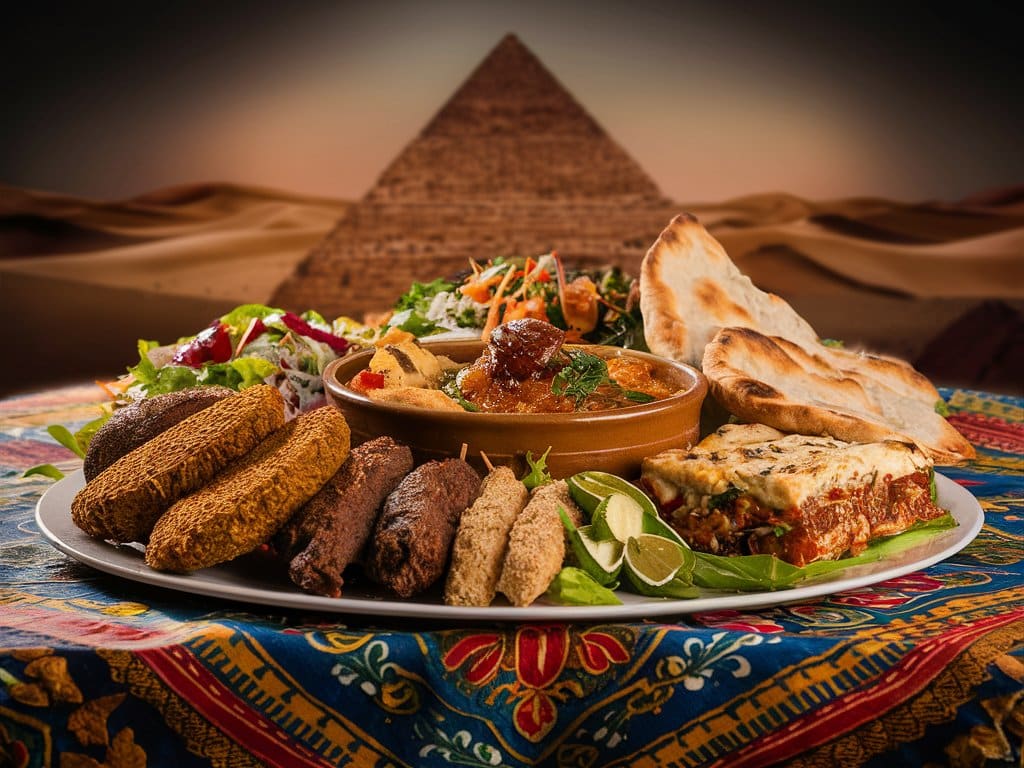
Read MoreBeyond Koshari: What Egyptians Really Eat in Everyday Life 🇪🇬🍽️ Ask travelers to name an Egyptian dish and one answer appears almost immediately:...
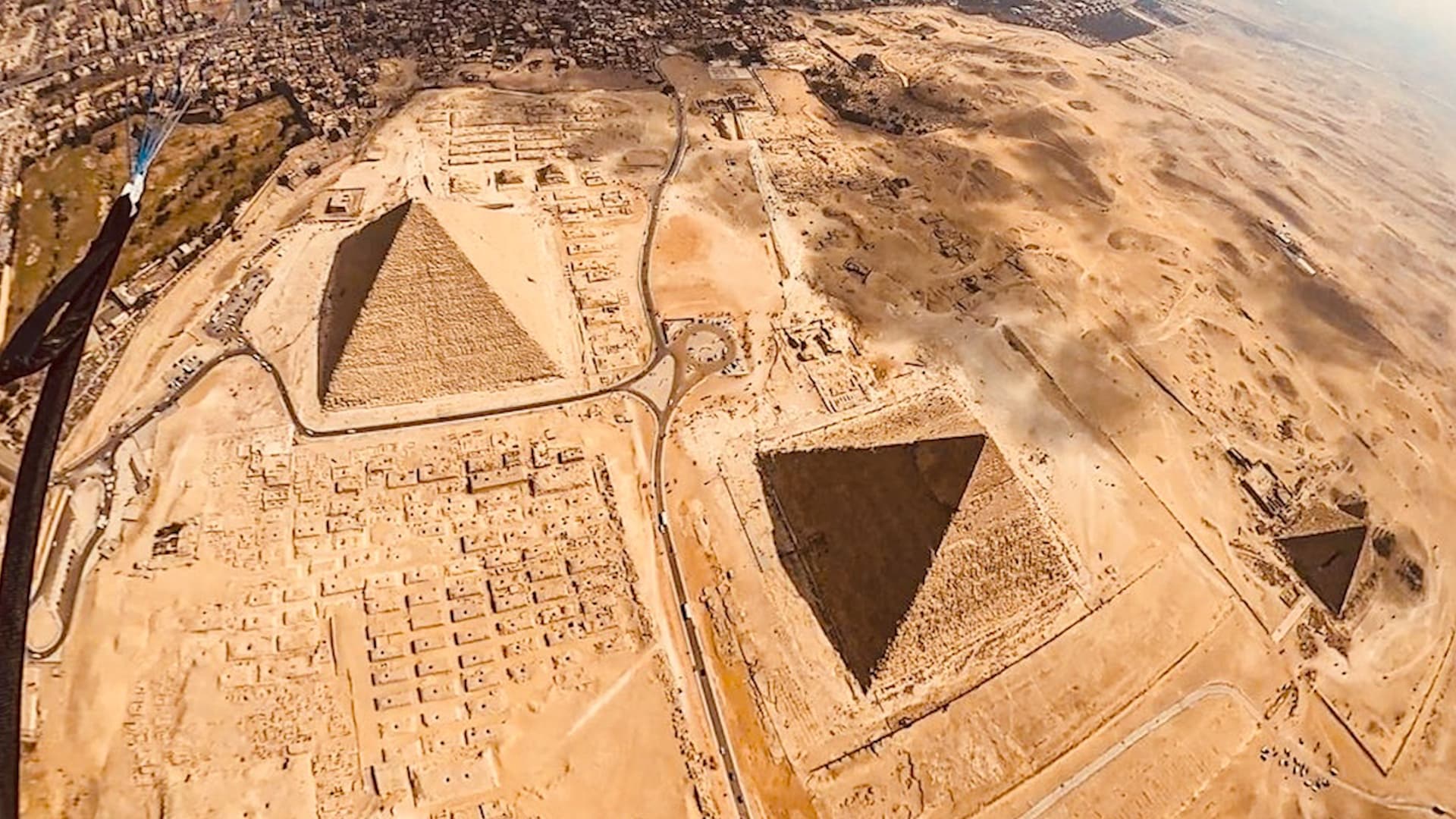
Read MoreCairo from Sharm El Sheikh: Plane vs Bus — Which Is Better? ✈️🚌 You have decided the Pyramids are worth leaving the beach for. Now comes...
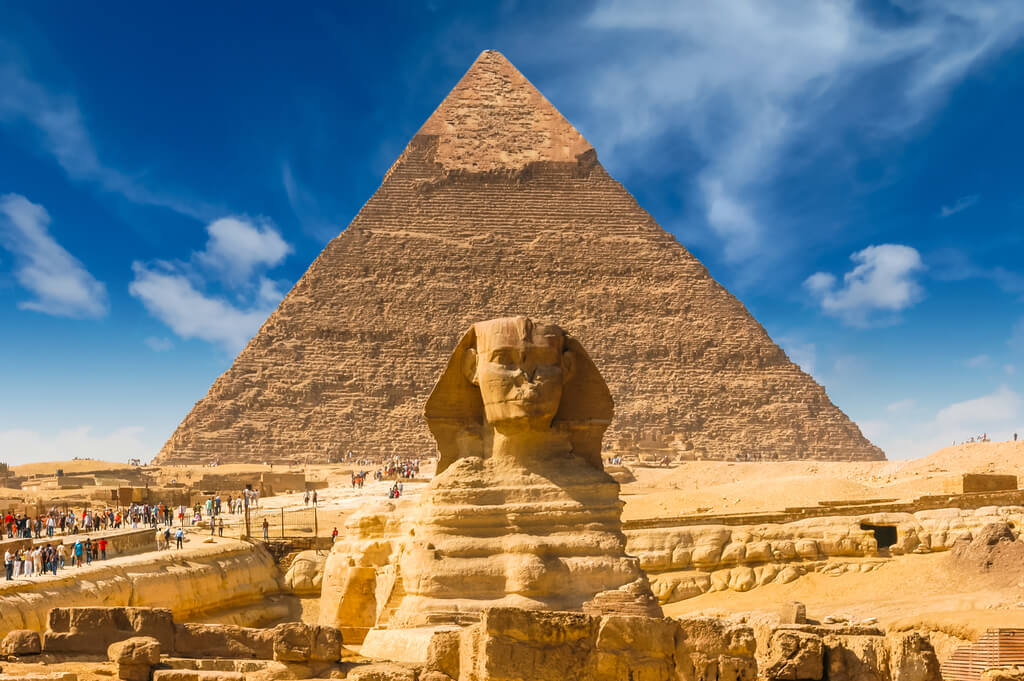
Read MoreIs a Day Trip to Cairo from Sharm El Sheikh Worth It? 🏜️➡️🏛️ You came to Sharm El Sheikh for the Red Sea. For turquoise water. Coral reefs....
Read More24/7